
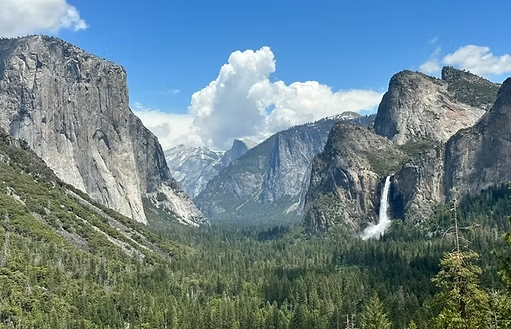
Have you ever visited one of our National Parks? Have you ever considered it? If not, I hope you will. The United States is home to some of the most beautiful and diverse National Parks in the world. From towering mountains and crystal-clear lakes to deserts, waterfalls, and wildlife, there’s truly something for everyone.
For many people, planning a National Park vacation seems overwhelming. The good news is that, with a little preparation, it’s much easier than you might imagine.
One of my favorite ways to experience a park is by staying inside the park whenever possible. There’s something special about waking up surrounded by the scenery you traveled so far to see. The tradeoff is that lodging inside many parks is limited and often fills months—even a year—in advance. Glacier National Park is a perfect example, where planning ahead is essential.
National Parks have become incredibly popular over the past several years. As a result, the National Park Service has introduced timed-entry reservations at many of the busiest parks. In some places, such as Rocky Mountain National Park, you may even need a second timed-entry reservation to visit certain areas within the park.
A Lesson I Learned the Hard Way
I’ll admit it—I almost made a costly mistake on my first major National Park trip. I had what I thought was a solid plan. My flights were booked, my rental car was reserved, my lodging was confirmed, and I had carefully mapped out everything I wanted to see, including Rocky Mountain National Park, Mount Evans, and the Maroon Bells.
About a month before my trip, I happened to watch a YouTube video about Rocky Mountain National Park. That’s when I learned about the timed-entry reservation system.
My first thought was, “I’m not ready.”
Thankfully, I was traveling during the week, and timed-entry reservations were still available. I was able to secure reservations for both the park entrance and Bear Lake Road. Looking back, it was a very close call.
That experience taught me something I still use today: travel planning isn’t just about booking flights and hotels. It’s about understanding how your destination works before you arrive. Since then, research has become one of the most important parts of every trip I plan.
I’ve been fortunate to visit many of our National Parks. While I’ll probably never visit them all, that’s perfectly fine with me. Some travelers enjoy collecting passport stamps from every park they visit, and I think that’s wonderful. My approach is different. I visit the parks that truly interest me and spend my time exploring the places that inspire me most.
Before your trip, I recommend looking into the America the Beautiful Pass. If you plan to visit multiple National Parks or other federal recreation sites during the year, it often pays for itself quickly. Current pricing and eligibility—including Senior, Military, Veteran, and Access Passes—are available through the National Park Service.
If you have mobility challenges, don’t forget your disabled parking placard. It can make visiting many parks much easier by allowing closer parking near overlooks, visitor centers, boardwalks, and many trailheads.
My goal is simple: to remove some of the uncertainty that keeps people from experiencing these incredible places. Do a little research. Reserve your lodging early. If your destination requires timed-entry reservations, check Recreation.gov for release dates and reserve them as soon as they become available.
If you ever have questions about planning a National Park trip, I’d be happy to share what I’ve learned through my own travels. Sometimes a little guidance is all it takes to turn an intimidating trip into an unforgettable adventure.
So get out there.
Find your direction