
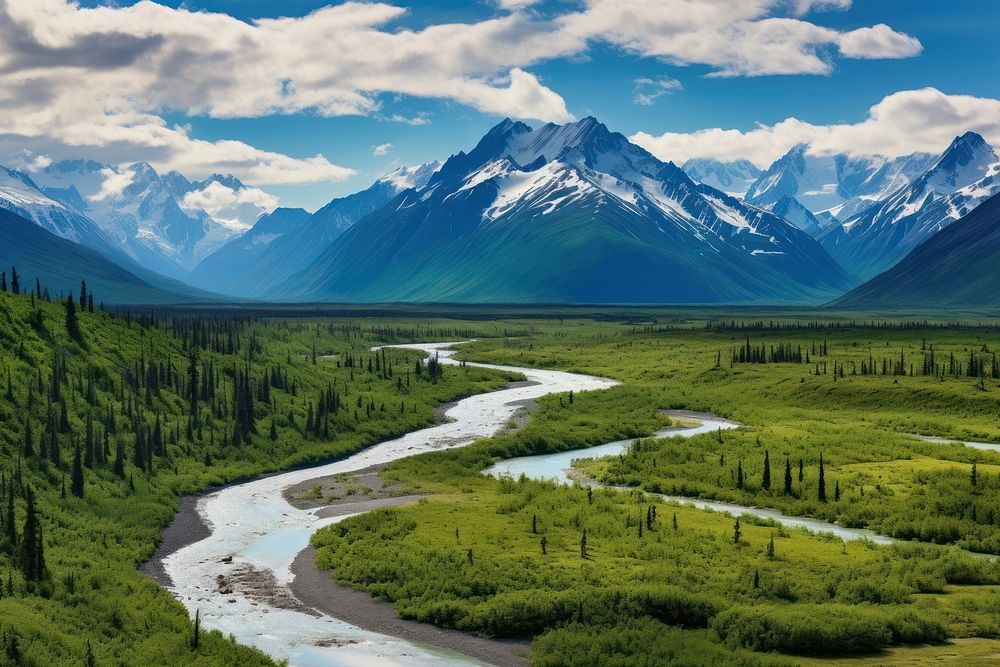
Alaska has a way of finding its way onto travel wish lists.
Glaciers. Wildlife. Mountains that seem to go on forever. Small coastal towns tucked between water and wilderness. It is a destination that can feel familiar from photographs and completely different once you begin planning an actual trip.
And that is where many first-time visitors discover something important:
There isn’t just one way to visit Alaska.
A seven-night cruise through the Inside Passage can be an Alaska vacation. A cruise followed by several days exploring the interior can be another. Flying into Anchorage or Fairbanks and traveling independently creates an entirely different experience.
None of them is automatically the right choice.
The better place to begin is by deciding what you want Alaska to be for you.
Alaska Is Bigger Than You Think
It is difficult to appreciate Alaska’s scale until you begin looking at a map and planning transportation.
Communities and attractions that appear relatively close can require hours of travel. Some destinations are connected by highway or rail. Others are reached primarily by air or water.
That means an Alaska itinerary should not simply be a list of everything you would like to see.
Trying to include too much can result in spending a surprising amount of your vacation getting from one place to another.
Give Alaska room.
The scenery between destinations is often part of the experience, and a thoughtful itinerary usually provides more value than one designed simply to cover the most ground.
Cruise, Land — or Both?
For many first-time visitors, a cruise is one of the easiest introductions to Alaska.
Cruising provides access to several communities along Alaska’s southeastern coast while allowing your hotel to travel with you. You unpack once and wake up somewhere new.
Ports such as Juneau, Ketchikan and Skagway can introduce travelers to Alaska’s history, Native cultures, wildlife, glaciers and outdoor experiences without requiring them to arrange transportation between each destination.
But a cruise shows you one part of Alaska.
Travelers who want to experience places farther inland may want to add a land portion before or after their cruise. Anchorage, Talkeetna, Denali and Fairbanks create an entirely different perspective from the coastal communities visited by most ships.
And even that only begins to describe Alaska beyond the cruise ports. The Kenai Peninsula offers its own combination of glaciers, wildlife, fishing communities and dramatic coastal scenery, while Wrangell–St. Elias National Park and Preserve—the largest national park in the United States—provides a glimpse of just how vast and remote Alaska can be.
You don’t need to include every region in one trip. But understanding how different they are can help you decide which version of Alaska you most want to experience.
For some travelers, combining the two is exactly what they imagined when they said they wanted to see Alaska.
For others, the cruise alone is perfect.
The important thing is understanding the difference before choosing an itinerary.
Not All Alaska Cruises Are the Same
Two seven-night Alaska cruises can look similar at first glance and provide noticeably different experiences.
Many cruises sail round trip from a Pacific Northwest port and explore the Inside Passage before returning to the same city. These itineraries can be convenient, particularly for travelers who want a straightforward cruise vacation.
Other itineraries travel one way between the Pacific Northwest and Alaska. These are often called Gulf of Alaska or cross-Gulf itineraries.
A one-way itinerary can make it easier to combine the cruise with inland Alaska because instead of returning to your original departure city, you finish closer to the state’s road and rail network.
Neither style is inherently better.
The right itinerary depends on whether the cruise is the vacation or whether the cruise is one part of a larger Alaska vacation.
That distinction should come before comparing ships, cabins or dining rooms.
When Should You Go?
Most Alaska vacations take place during the warmer months, when cruise ships are operating, visitor services are available and daylight hours are long.
But there isn’t one universally perfect week to visit.
Early season, midsummer and late season can offer different combinations of weather, daylight, wildlife activity, crowds and pricing.
And Alaska weather deserves some respect.
Even during summer, conditions can change quickly. Temperatures can vary considerably between coastal and inland destinations, and a sunny morning can become a cool, wet afternoon.
The answer isn’t packing your entire closet.
It is layers.
A waterproof outer layer, comfortable shoes and clothing that can be added or removed throughout the day are generally more useful than packing for one predicted temperature.
Alaska rewards travelers who arrive prepared to adapt.
How Much Time Do You Need?
A week can provide an excellent introduction to Alaska, particularly by cruise.
But if your vision includes both the coast and interior, additional time can make a significant difference.
This is where travelers sometimes underestimate Alaska.
Adding Denali to a cruise isn’t the same as adding another port. Reaching the interior requires time. Traveling between Anchorage and Denali, for example, is a meaningful part of a travel day whether you go by road or rail.
If you are combining a cruise with a land experience, several additional days can make the trip feel dramatically less rushed.
If time is limited, choose what matters most rather than trying to collect destinations.
Alaska isn’t going anywhere.
There is nothing wrong with leaving a reason to return.
What About Denali?
For many travelers, Denali National Park is one of the first names associated with inland Alaska.
It deserves that reputation—but it also deserves some planning.
Denali is not a national park where most visitors simply drive their own vehicle from attraction to attraction. Private vehicle access into the park is restricted, and much of the visitor experience relies on the park’s transportation system.
It is also important to understand that seeing the mountain itself is never guaranteed.
Weather makes that decision.
A visit to Denali should therefore be about more than checking off a photograph of North America’s tallest mountain. Wildlife, tundra, enormous landscapes and the experience of being in true wilderness are all part of what makes the park remarkable.
If the mountain appears, consider it a wonderful bonus.
Alaska Is About Experiences
It is easy to focus on the itinerary when planning Alaska.
Don’t overlook the experiences.
Whale watching. Flightseeing. Dog sledding. Fishing. Kayaking. Glacier viewing. Wildlife excursions. Hiking. Scenic rail journeys. Alaska Native cultural experiences.
These are often the moments travelers remember most.
They can also represent a meaningful portion of the vacation budget.
That is why it helps to think about excursions early rather than treating them as an afterthought.
Ask yourself what you would be genuinely disappointed to come home without experiencing.
That answer can help determine not only your excursions, but also which itinerary and destinations make the most sense.
Wildlife Doesn’t Follow a Schedule
Alaska offers extraordinary opportunities to see whales, bears, moose, eagles, sea otters, seals, caribou and other wildlife.
But Alaska isn’t a zoo.
Wildlife sightings can never be guaranteed simply because a particular animal is known to inhabit an area.
Certain destinations and seasons may improve your chances of particular experiences, and knowledgeable local guides can make an enormous difference.
The best approach is to appreciate wildlife encounters for what they are: opportunities to see animals living in their natural environment.
Sometimes Alaska provides the photograph you hoped for.
Sometimes it provides something completely unexpected.
Don’t Choose a Cruise by Ship Alone
This is one of the most important differences between choosing an Alaska cruise and choosing some other cruise vacations.
The ship still matters.
But in Alaska, the itinerary matters tremendously.
Look beyond the ship’s restaurants, entertainment and amenities.
Where does it go?
How long is it in port?
What glacier-viewing experience is included?
Does the itinerary support the excursions that matter to you?
Does it begin and end in locations that make sense for the rest of your travel plans?
A beautiful ship cannot compensate for an itinerary that doesn’t provide the Alaska experience you wanted.
Choose the experience first.
Then choose the ship that delivers it well.
Expect Alaska to Cost More Than the Cruise Fare
The advertised price of an Alaska cruise or tour is only part of the vacation budget.
Airfare, hotels before or after the trip, transfers, excursions, meals during independent land portions, gratuities and travel protection can all affect the total.
Excursions in particular deserve consideration.
Some of Alaska’s signature experiences involve boats, aircraft, helicopters or specialized guides. Those experiences can be expensive—but for many travelers, they are also why they came to Alaska.
A realistic budget should account for the experiences you want, not simply the transportation that gets you there.
Don’t Forget the Journey to Alaska
Your Alaska vacation doesn’t necessarily begin when the ship sails.
Depending on the itinerary, you may need to fly to Seattle, Vancouver, Anchorage or another gateway.
Arriving at least a day before a cruise is usually worth serious consideration.
Flights can be delayed. Connections can be missed. Weather can interfere.
The ship will not wait indefinitely because your flight had a bad day.
International embarkation points can also introduce passport and entry requirements that travelers sometimes overlook when they think of Alaska as a domestic vacation.
Look at the entire journey—not simply the days printed in the cruise brochure.
Who Is Alaska For?
Alaska appeals to an unusually broad range of travelers.
You don’t need to be an experienced hiker or outdoors enthusiast to appreciate it. Cruises and organized tours can make remarkable scenery and wildlife accessible to travelers with very different activity levels.
At the same time, Alaska can reward travelers who want adventure.
The same destination can provide a scenic train ride for one person and a backcountry hike for another.
That’s part of its appeal.
You can make Alaska as active—or as relaxed—as you want it to be.
Before You Start Comparing Prices
Before asking, “How much does an Alaska trip cost?”, answer a few questions first.
Do you want to cruise, explore by land, or combine both?
How much time do you realistically have?
What experiences matter most?
Are glaciers your priority? Wildlife? Denali? Alaska Native culture? Fishing? Photography? Simply seeing landscapes unlike anything you’ve seen before?
Once those answers begin to take shape, comparing itineraries and prices becomes much more meaningful.
Because the least expensive Alaska vacation isn’t necessarily the best value if it leaves out the reason you wanted to go in the first place.
Find Your Alaska
Alaska isn’t a destination you need to conquer.
You don’t have to see all of it.
You couldn’t.
The goal is to build an experience that gives you your version of Alaska.
Maybe that’s standing on the deck of a ship watching a glacier fill the horizon.
Maybe it’s seeing a whale surface beside a small boat.
Maybe it’s watching the landscape roll past the window of a train headed toward Denali.
Or maybe it’s simply standing somewhere impossibly quiet and realizing just how much open space still exists.
Start with the experience.
Then build the trip around it.
That’s how Alaska begins to make sense.